What is Bitcoin?
The origin of digital cash—how the world's first cryptocurrency functions without a middleman.
If you have ever wondered how digital money can exist without a central bank or company running it, you have come to the right place. Bitcoin was the very first cryptocurrency, and it can feel a bit mysterious when you first start learning about it. Don’t worry—we are going to walk through the basic ideas together, step-by-step.
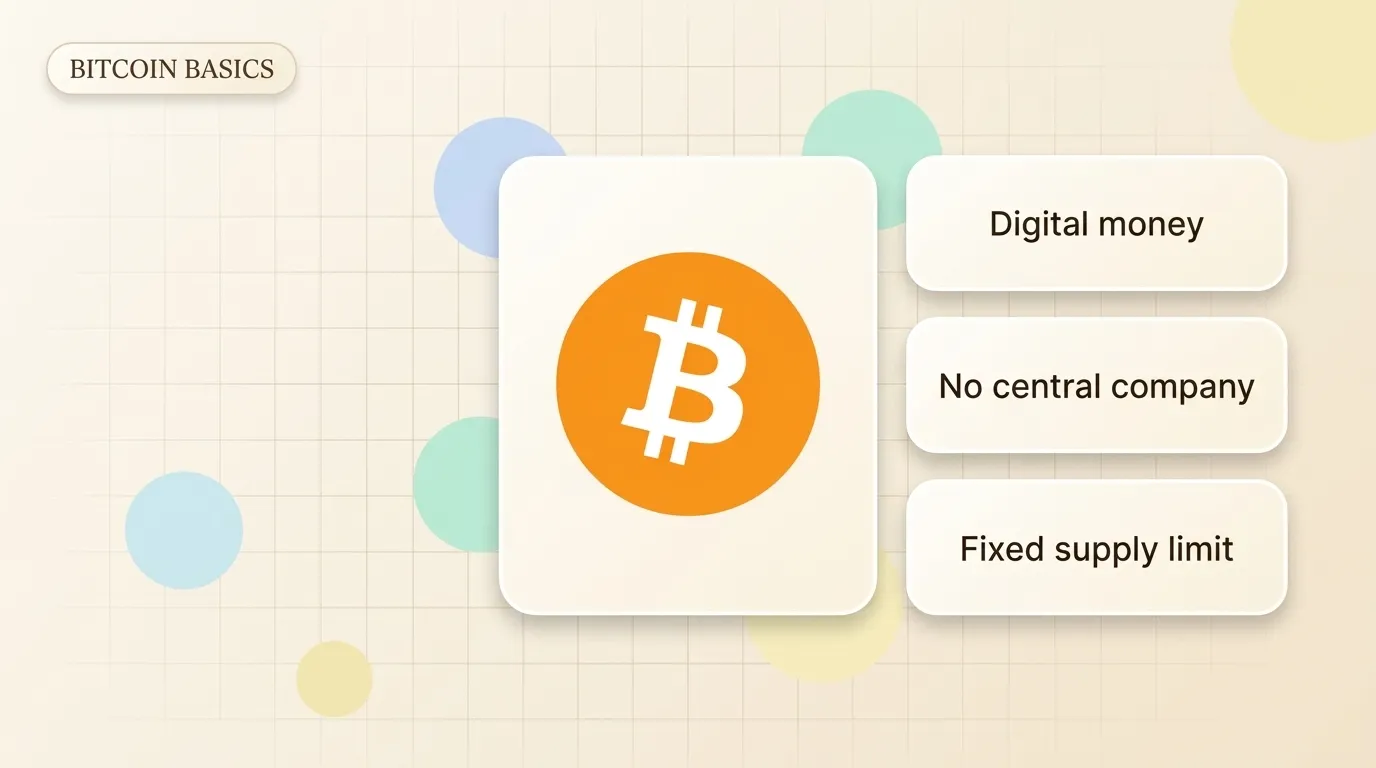
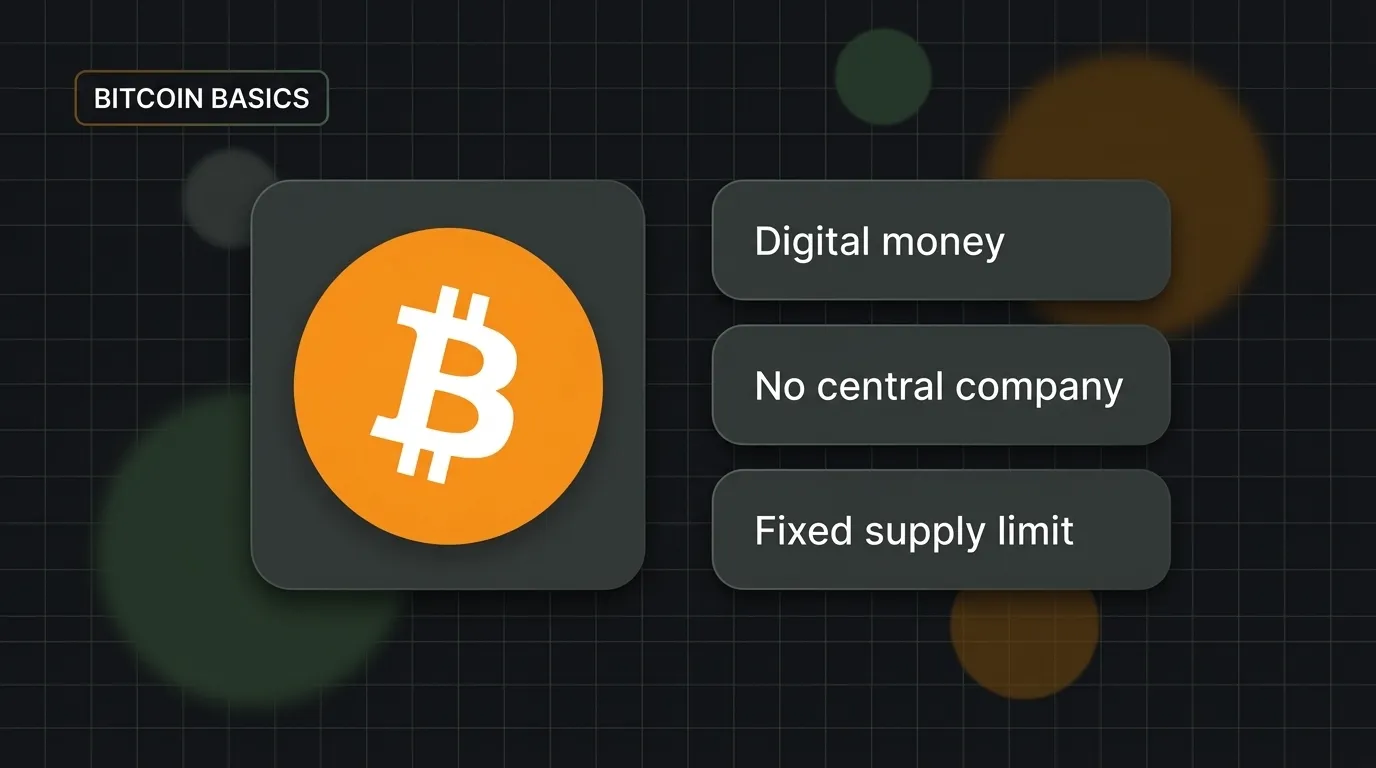
At its simplest, Bitcoin is a digital payment network with its own coin, called BTC. Instead of relying on a single bank or company like Visa to update account balances, the entire network works together to keep a shared, public record of transactions.
If you are brand new to this, you might find it helpful to read our guide on what a blockchain is first, but you can jump right in here too!
The notebook analogy
Imagine a group of people who want to track payments between each other. Instead of electing one accountant to keep the records, everyone in the group has their own copy of a public notebook.
When one person pays another, they announce it to the group. Everyone checks the rules (e.g., “does this person actually have the coins to spend?”), and if everything is correct, they write the payment down in their own notebooks.
Bitcoin works in a very similar way, but it does it digitally using advanced software and computers across the globe.
What is BTC?
BTC is the specific token or coin used on the Bitcoin network. You will often hear people use the words “Bitcoin” and “BTC” interchangeably.
One important thing to know is that you do not need to buy an entire bitcoin. A single BTC can be divided into tiny fractions (down to eight decimal places), so you can easily send or hold small amounts if you choose to explore it.
Who runs the network?
Bitcoin is decentralized, which means it isn’t owned by any company, government, or individual. It is open-source software. Anyone in the world can inspect the code, download it, and run it on their own computer.
Because there is no central authority:
- There is no CEO or board of directors.
- There is no customer support hotline to reset your password.
- The rules of the network are enforced automatically by all participating computers.
This independent design is why many people find Bitcoin interesting, but it also means that you are in charge of keeping your own assets secure.
How do transactions work?
When you want to send BTC, your wallet creates a digital transaction. This transaction specifies which coins you are spending, where they are going, and includes your digital signature to approve the move.
The transaction is then broadcast to the network, where special computers called miners check it. Miners group recent transactions into blocks and compete to add them to the permanent blockchain record. Once a transaction is added to a block and confirmed, it is permanent.
Why people are interested in Bitcoin
Different people explore Bitcoin for different reasons:
- Independent value: They want to hold an asset that isn’t managed by a bank or government.
- Fixed supply: The software has a hard limit of 21 million BTC that can ever exist, making it scarce by design.
- Global access: Anyone with an internet connection can send and receive payments anywhere in the world.
These features don’t make Bitcoin risk-free, but they explain why it has become a popular topic of study.
Tradeoffs and risks for beginners
While learning about Bitcoin is exciting, it is important to be aware of the real tradeoffs:
- No recovery safety net: If you lose the recovery phrase to your wallet, or send BTC to the wrong address, the funds cannot be recovered. There is no customer support to help.
- Price volatility: Bitcoin’s value can fluctuate widely. It is important to never buy or hold more than you are prepared to lose.
- Public history: While your real name isn’t written on the blockchain, all transactions are completely public. If someone connects your address to your identity, they can see your transaction history.
Tips for exploring safely
As your guide, my best advice is to start with curiosity rather than rushing to invest:
- Learn first: You can understand how wallets and transactions work without spending a single penny.
- Protect your backup: If you do set up a wallet, write your recovery phrase on physical paper, keep it offline, and never type it into any website.
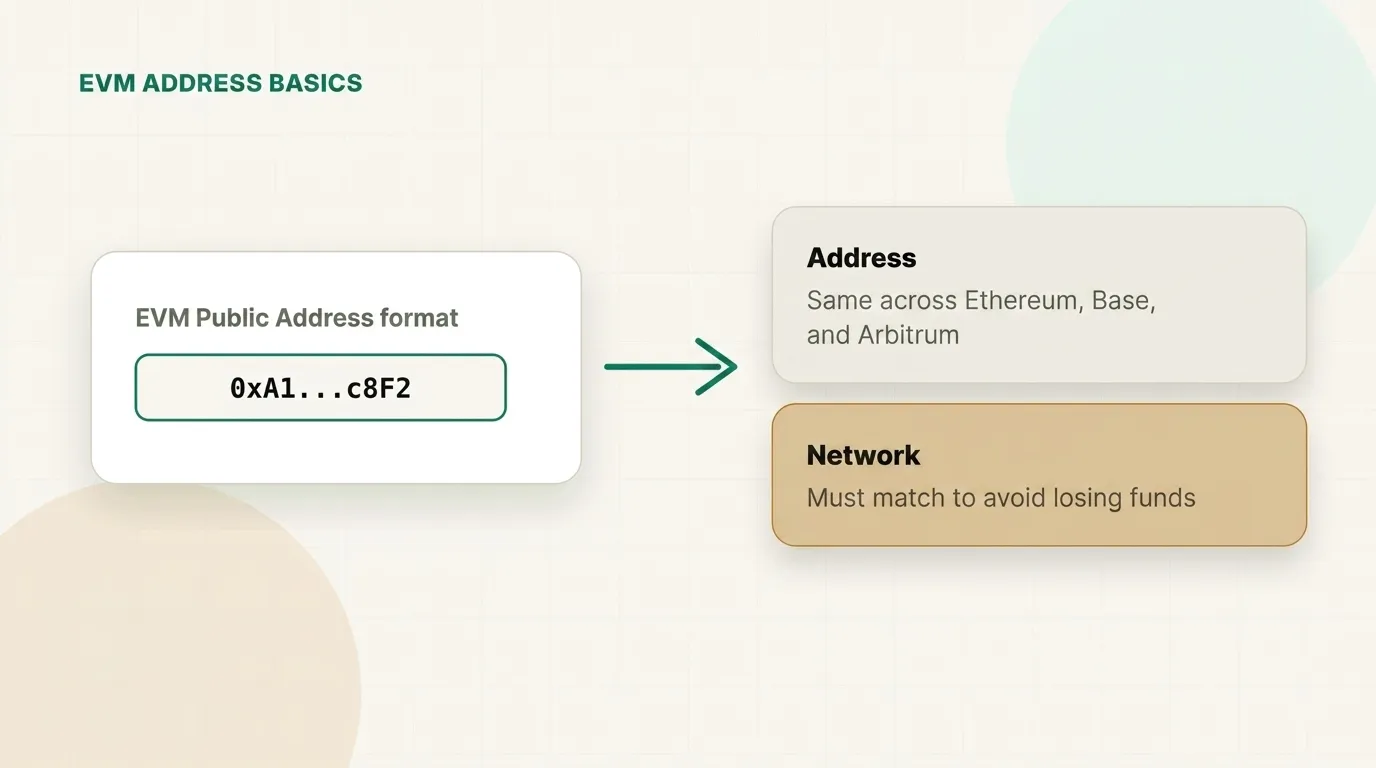
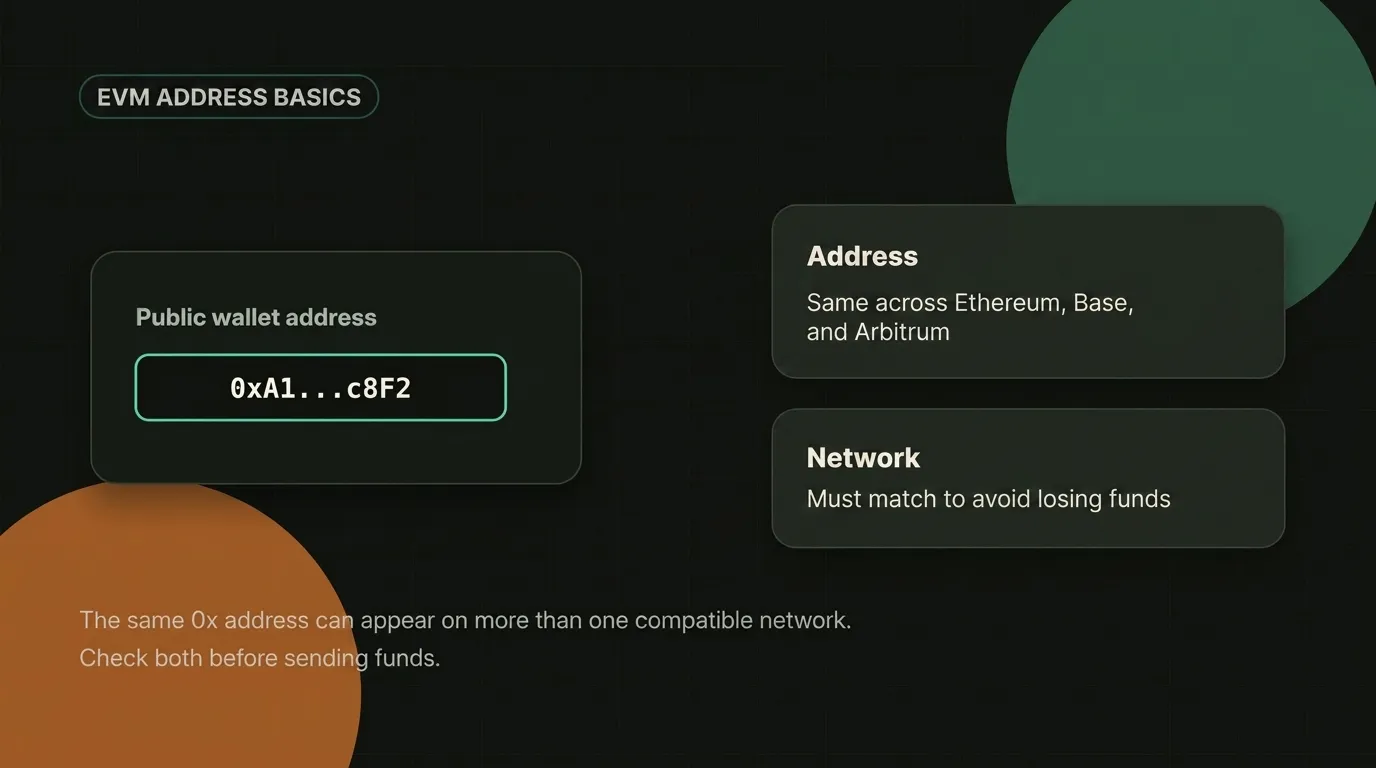
- Double-check addresses: Always copy and paste wallet addresses rather than typing them, and verify the first and last few characters before clicking send.
- Start tiny: If you decide to send a transaction, try it with a tiny amount first to make sure it works as expected.
In summary
Bitcoin is a decentralized digital payment network with its own coin (BTC). It uses a shared public ledger and strict software rules to keep track of transactions without a middleman.
For beginners, the safest and most rewarding path is to take your time, ask questions, and focus on understanding the technology before taking any financial steps. Go slowly, and enjoy the learning process!