What is Blockchain? (ELI5)
Demystifying the digital ledger: how blocks, chains, and consensus keep the decentralized world running.
Welcome to your first step in learning about blockchain. If you have felt overwhelmed by all the technical terms, you are not alone. It is completely normal to find this confusing at first, but we are going to break it down together using simple, everyday ideas.
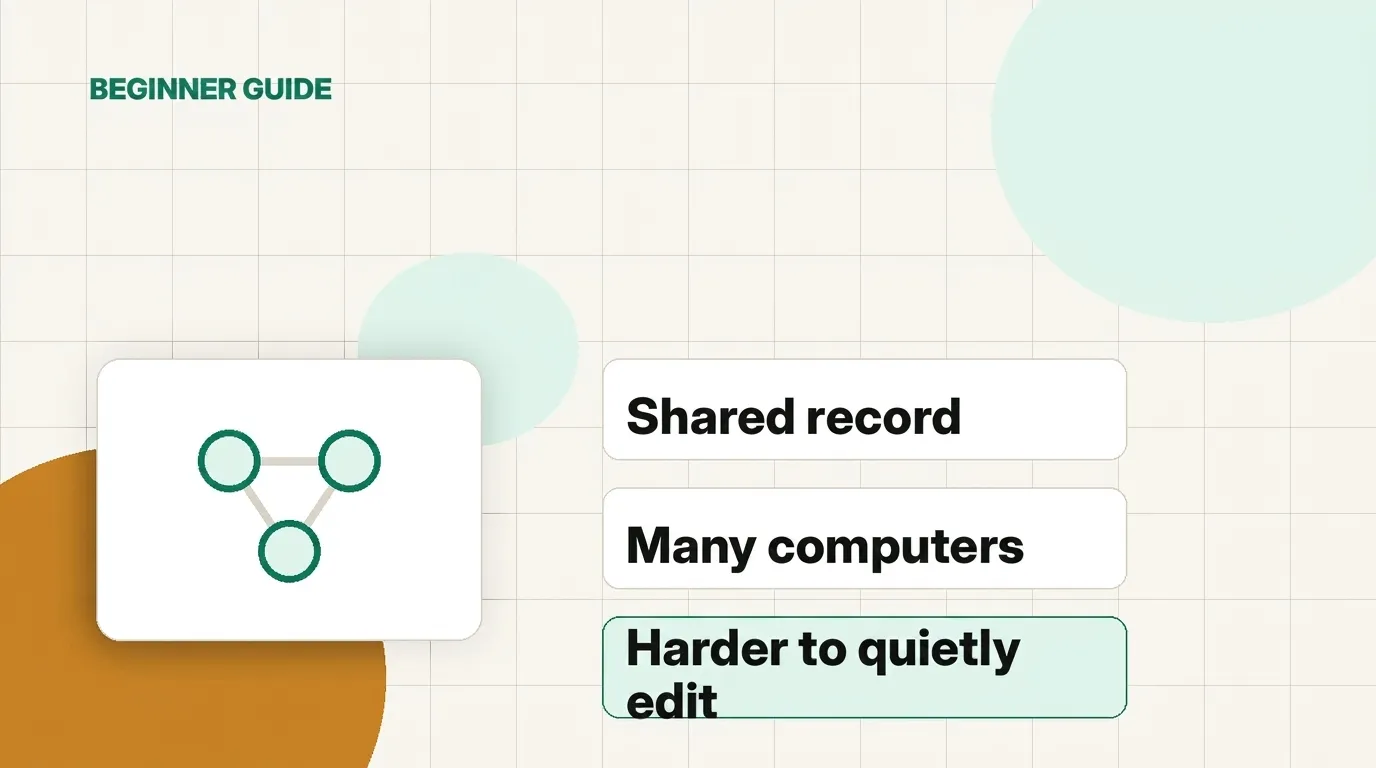
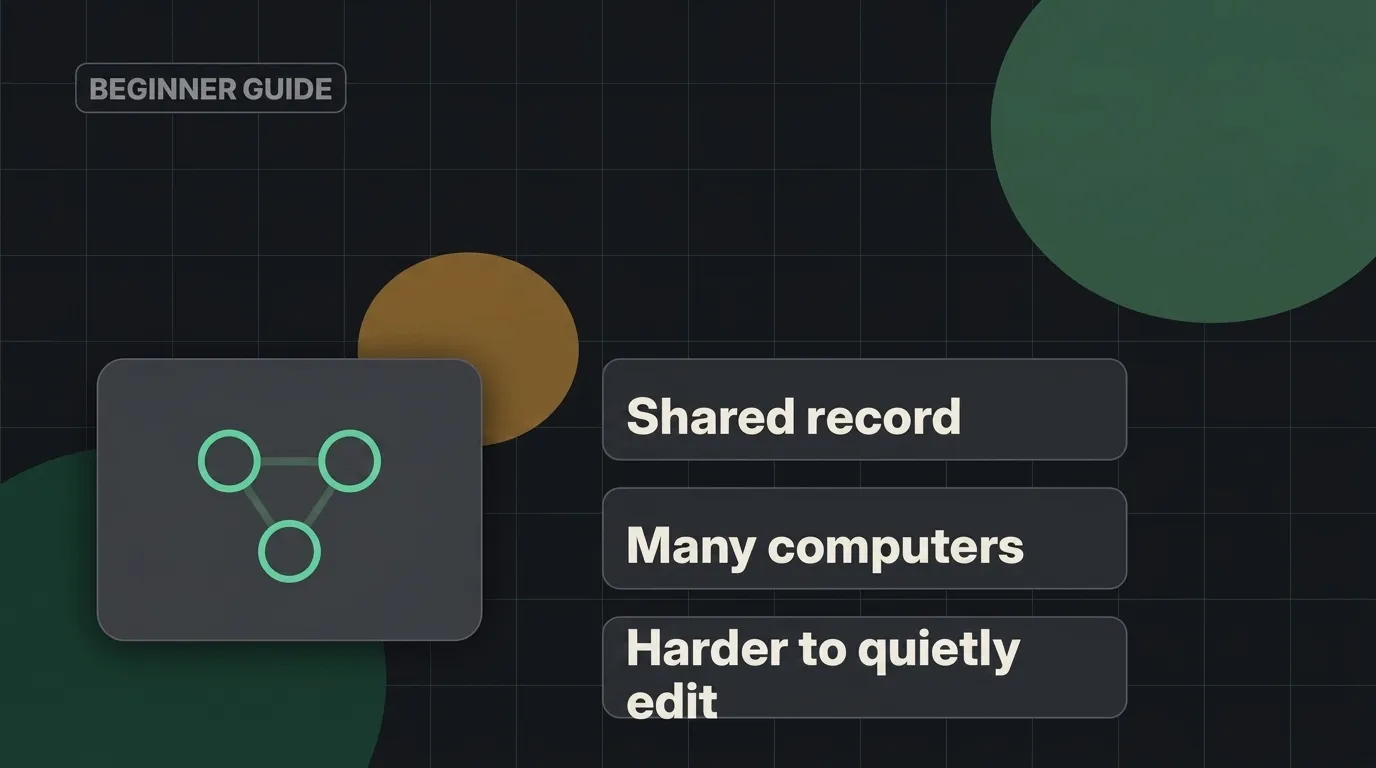
At its core, a blockchain is simply a shared record that many independent computers help keep.
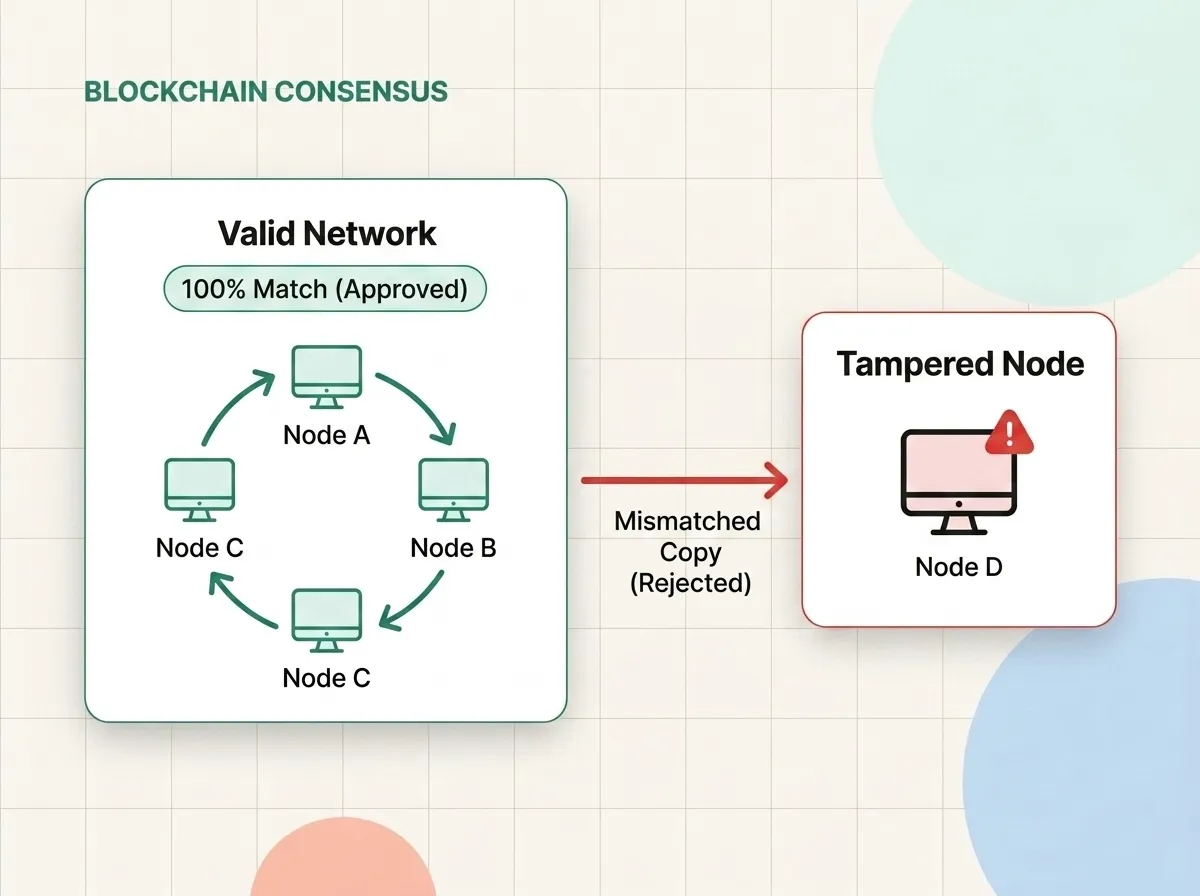
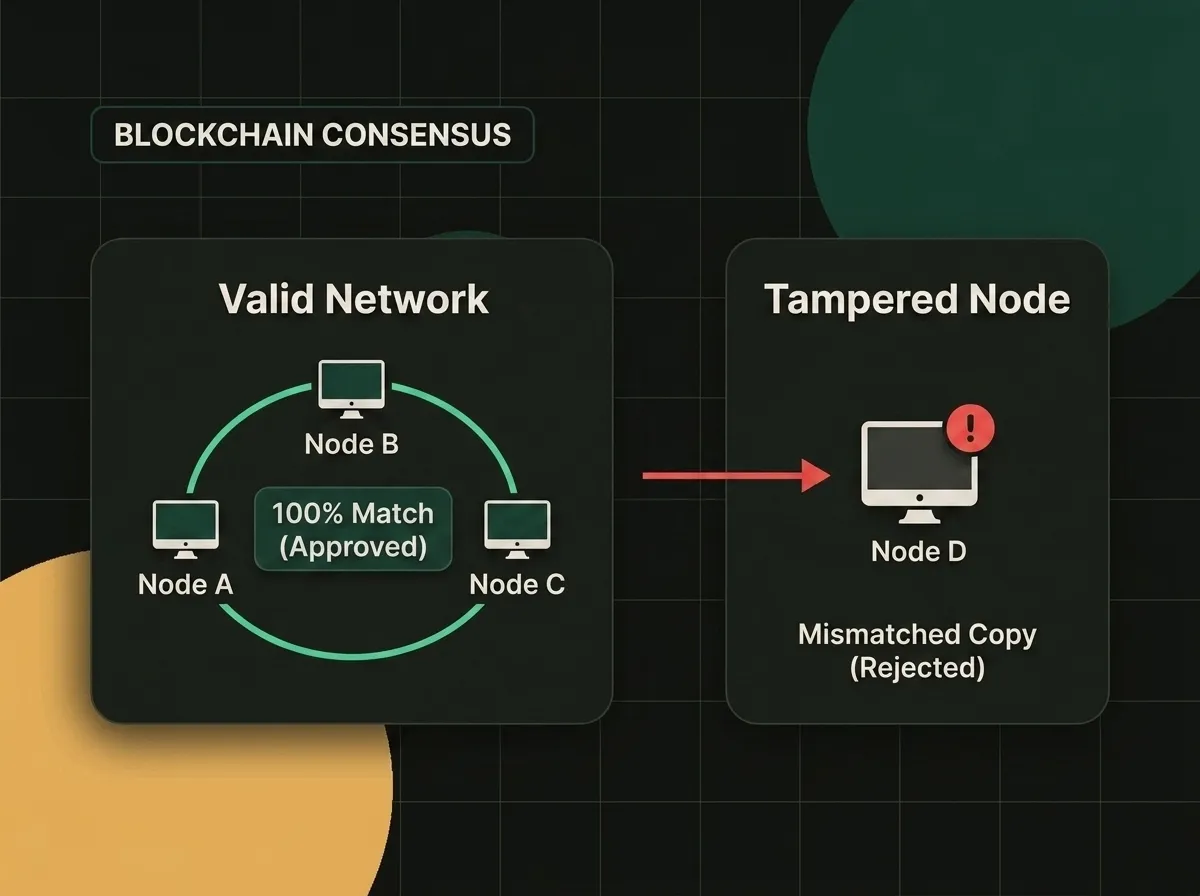
Think of a physical notebook that a group of friends can read and write in. When something important happens, the group records it. Instead of one person holding the only copy of this notebook, everyone in the group keeps an exact, matching copy. If one friend tries to secretly scribble out or change a page, the rest of the group will immediately notice because their notebooks don’t match.
What is a blockchain?
A blockchain is a growing list of records. Each group of records is called a block. When a block is full, it gets connected to the block before it. That connected list is the chain. So the word blockchain simply means blocks of information, linked together in order.
Why not just use a regular database?
Most websites and apps you use every day—like your online banking or social media account—rely on a regular database. This database is run by one central company or organization. That works very well, but it means you must fully trust that single company to keep the record safe and honest.
A blockchain is different because the record is shared across many independent computers. No single computer is the boss or the only source of truth. This shared setup is useful when people want a history that is transparent and incredibly difficult for any single person or company to quietly change after the fact.
A simple example
Imagine a group of friends tracking who paid for dinner. One friend could keep the list in their phone. This is simple, but everyone has to trust that one friend never makes a mistake or alters the numbers.
Or, everyone in the group could keep the exact same list. When someone pays or gets paid back, everyone agrees on the update and writes it down in their own list. That is much closer to how a blockchain works. It isn’t magic; it is simply a shared list with clear rules for adding new entries.
How does it stay trustworthy?
You don’t need to be a math genius or a computer scientist to understand why blockchain works. The network keeps itself honest using a few straightforward rules:
- Power in numbers: Because many computers keep identical copies, a single bad actor cannot cheat the system.
- Strict rules: Every new entry must follow the network’s shared rules before it is accepted.
- Permanent links: Blocks are chained together in strict order. If you try to alter an older block, you break the links that follow it, which alerts the entire network.
The main takeaway is simple: the design is built to make the record permanent and secure, without needing to trust a single central manager.
What can be recorded on a blockchain?
Different blockchains do different things, but common examples include:
- Transactions: Sending digital value from one wallet to another.
- Ownership: Showing that a specific wallet owns a digital item.
- Automated Rules: Running small programs called smart contracts.
A wallet is the app or device people use to hold and approve actions with their digital assets. A smart contract is a program on a blockchain that follows rules automatically, such as swapping one coin for another without needing an intermediary.
Taking your first steps safely
Blockchain technology opens up exciting possibilities, but because there is no central authority, it also asks you to take more personal responsibility. In blockchain, there is no “Forgot Password” link or customer support team that can reverse a mistaken transaction.
Here are a few essential habits to help keep you safe as you learn:
- Take your time: Never hurry. No trustworthy service will ever pressure you to act quickly.
- Start small: If you decide to try an app, practice with tiny amounts first.
- Double-check everything: Always review the asset, the network, the address, and the fees shown on your screen before approving.
- Watch out for urgency: Be cautious of messages or offers that make you feel rushed.
In summary
A blockchain is a shared record kept by many computers. It stores information in blocks, links those blocks in order, and uses network rules to make the history difficult to secretly change. For a beginner, the most important thing is not the technical detail. It is understanding that blockchain apps ask you to take more responsibility for checking what you approve. Go slowly, start small, and make sure each step makes sense before you continue.