What is Ethereum?
Beyond digital money—an exploration of smart contracts, gas fees, and the decentralized application playground.
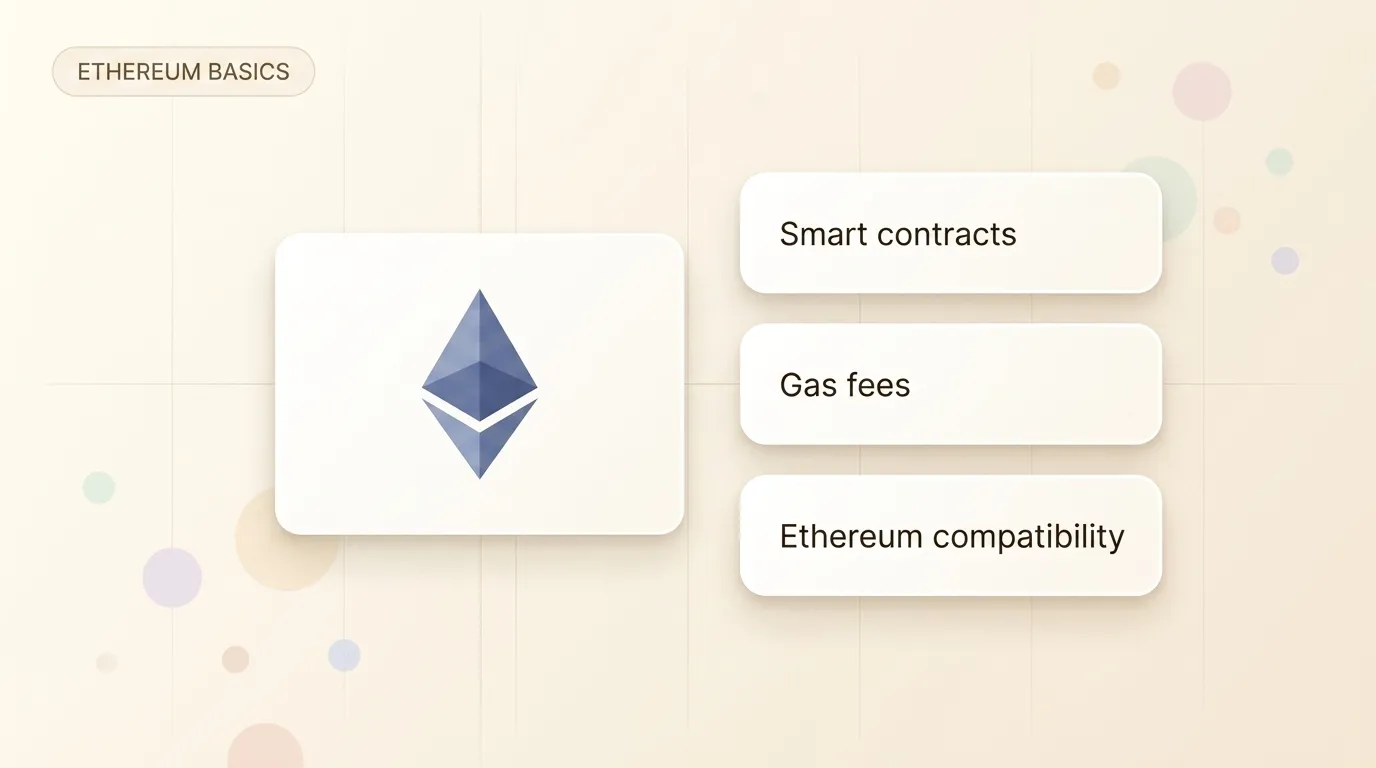
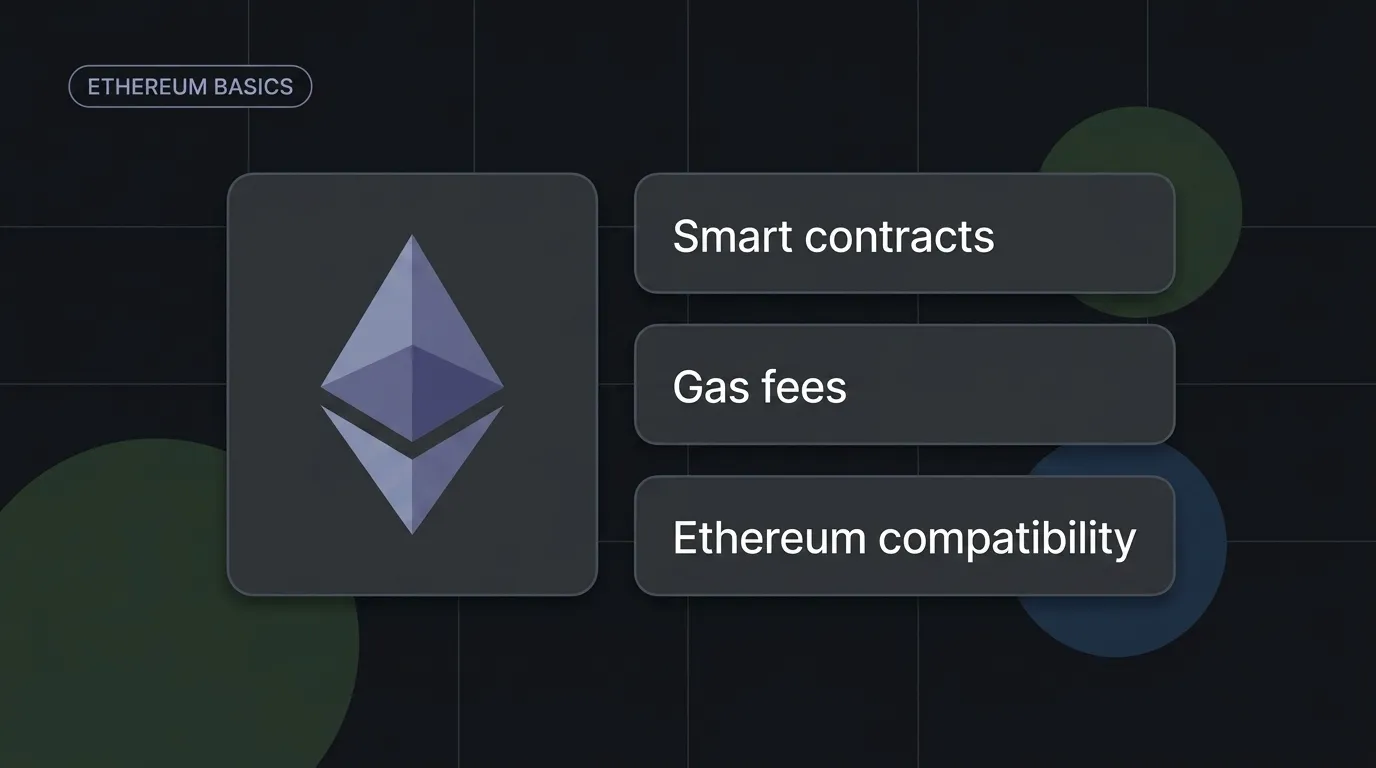
If Bitcoin is best understood as a digital money network, Ethereum is best understood as a global, shared computer. It lets you send value, but it also lets you run programs called smart contracts.
It is completely normal to find this concept a bit abstract! Think of it this way: if Bitcoin replaced the ledger of a bank, Ethereum is trying to replace the systems that run financial contracts and rules. We are going to explore how it works together in a friendly, stress-free way.
The shared computer analogy
Imagine a giant computer that lives in the cloud. Anyone in the world can run programs on this computer, and no single company (like Google or Apple) owns or controls it.
When you want to run a program or send a payment, you connect your wallet to this computer, pay a tiny fee for the energy it uses, and the computer processes the action exactly as the code dictates.
That is the basic idea behind Ethereum. It is a shared, decentralized system for running applications and managing digital assets.
What is ETH?
ETH (short for Ether) is the native coin of the Ethereum network. It has two main uses:
- A store of value: You can send and receive ETH just like BTC.
- Network fuel: To run programs or send transactions on Ethereum, you must pay a fee in ETH. This fee is commonly called gas.
Think of gas like the fuel required to make the shared computer do work. If you are just sending a simple payment, the work is low, so the gas fee is small. If you are interacting with a complex program, it requires more work, so the gas fee will be higher.
Friendly tip: Gas fees can rise significantly when the network is busy. Always check the fee estimated by your wallet before approving any transaction.
What is a smart contract?
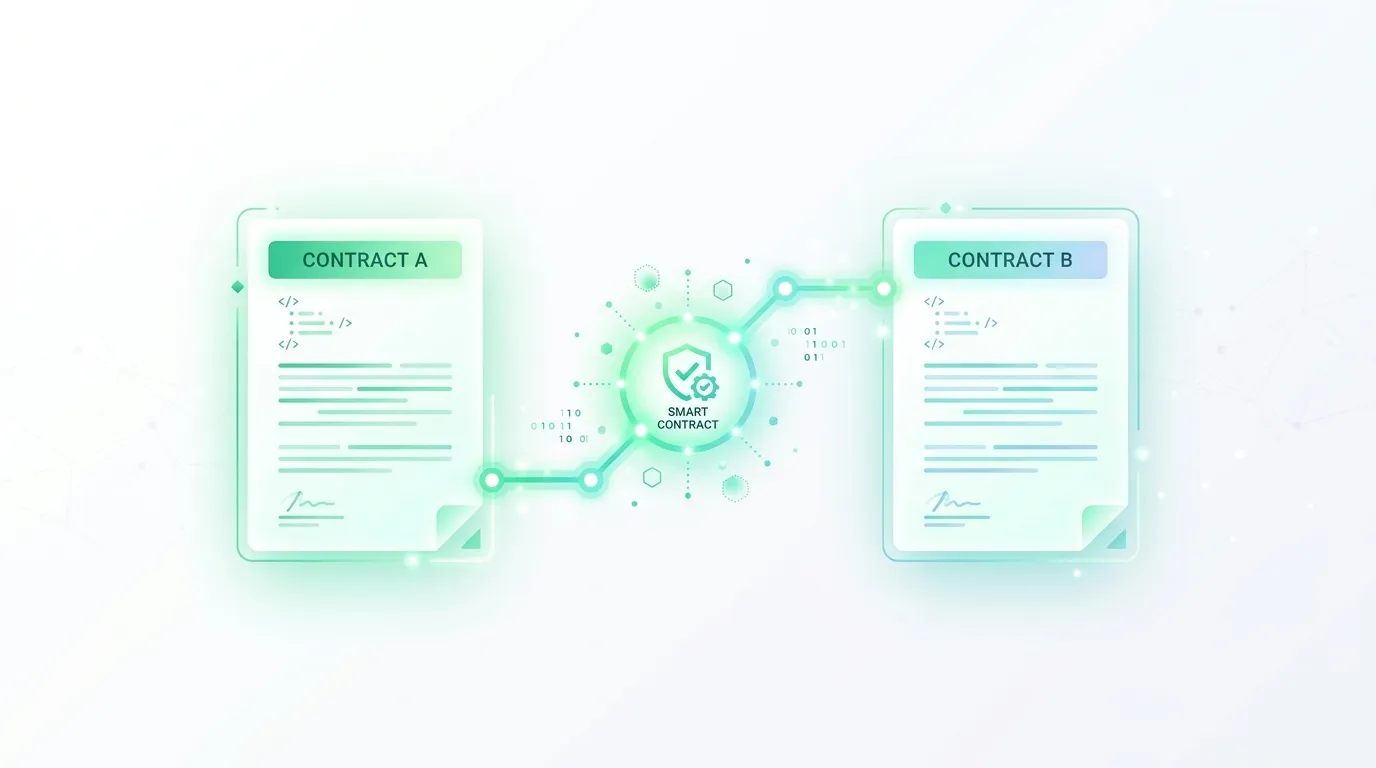
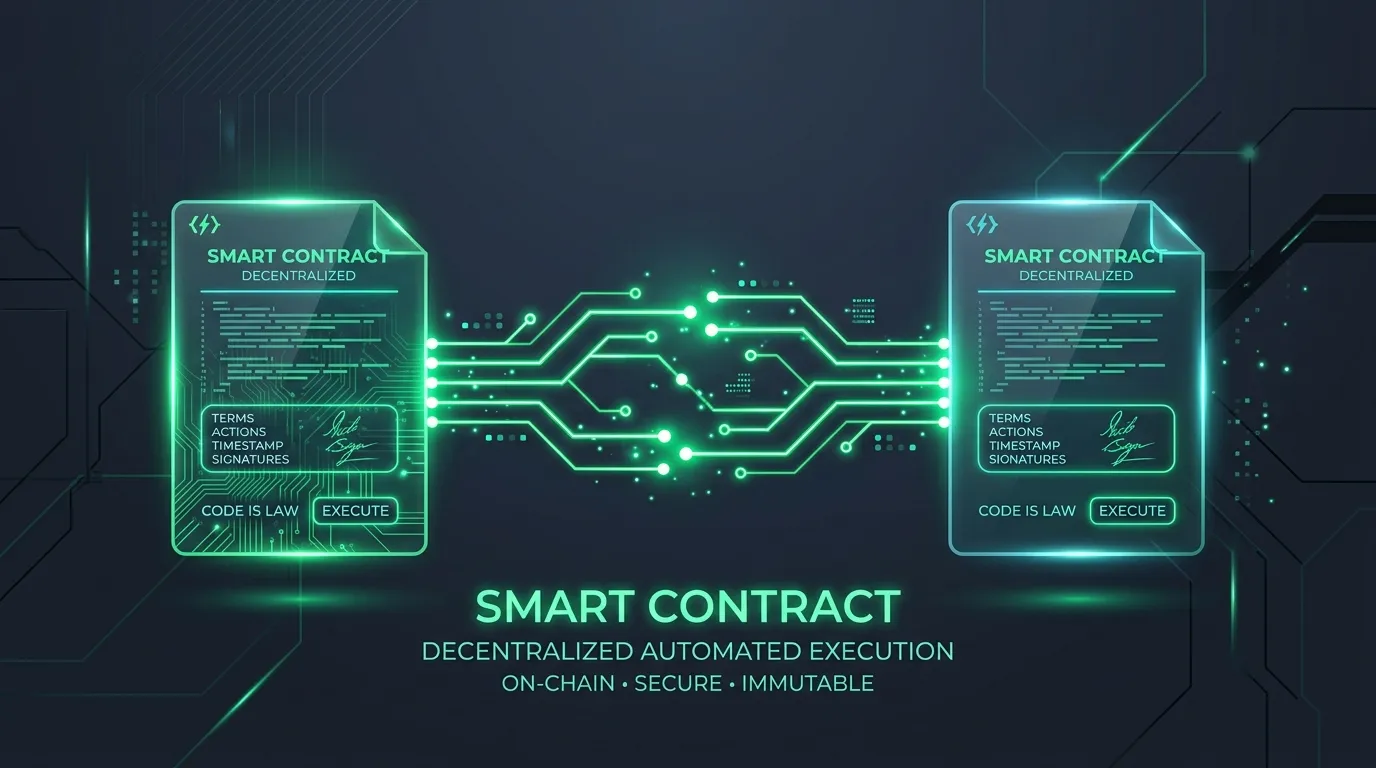
A smart contract is simply a program that lives on the Ethereum blockchain. It is written in code, and once it is uploaded to the network, it will always run exactly as written without any middleman.
For example, a smart contract might say: “If Sarah deposits 10 coins into this vault, release 10 tickets to her wallet automatically.”
While the word “smart” makes these contracts sound safe, they are only as good as the code behind them. If a programmer makes a mistake in the code, or if you misunderstand the rules of the contract, your funds could still be at risk.
Common ways people use Ethereum
Because Ethereum is so flexible, developers have built many kinds of applications on it:
- Token Swapping: Swapping one digital token for another directly from a wallet.
- Stablecoins: Using tokens designed to match the value of traditional currencies, like the US Dollar, to avoid price volatility.
- Lending & Borrowing: Depositing assets to earn interest, or borrowing assets using digital collateral.
- Digital Collectibles: Creating and trading unique digital items, often called NFTs.
You do not need to learn all of these categories today! As a beginner, focusing on the basics of wallets, networks, and simple transactions is the best place to start.
Ethereum and compatible networks
As you explore, you will hear about other networks like Base, Arbitrum, or Optimism. These are often called Layer 2 networks or EVM-compatible networks.
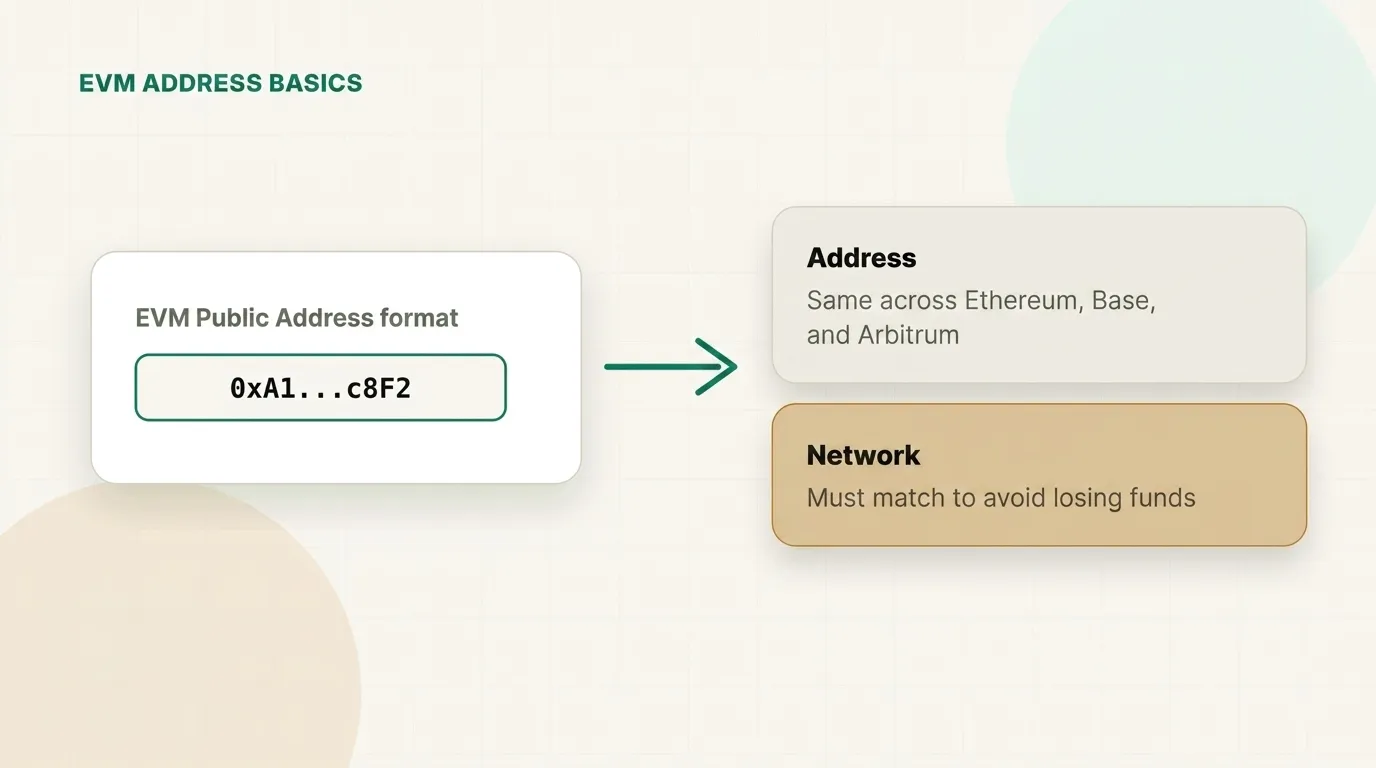
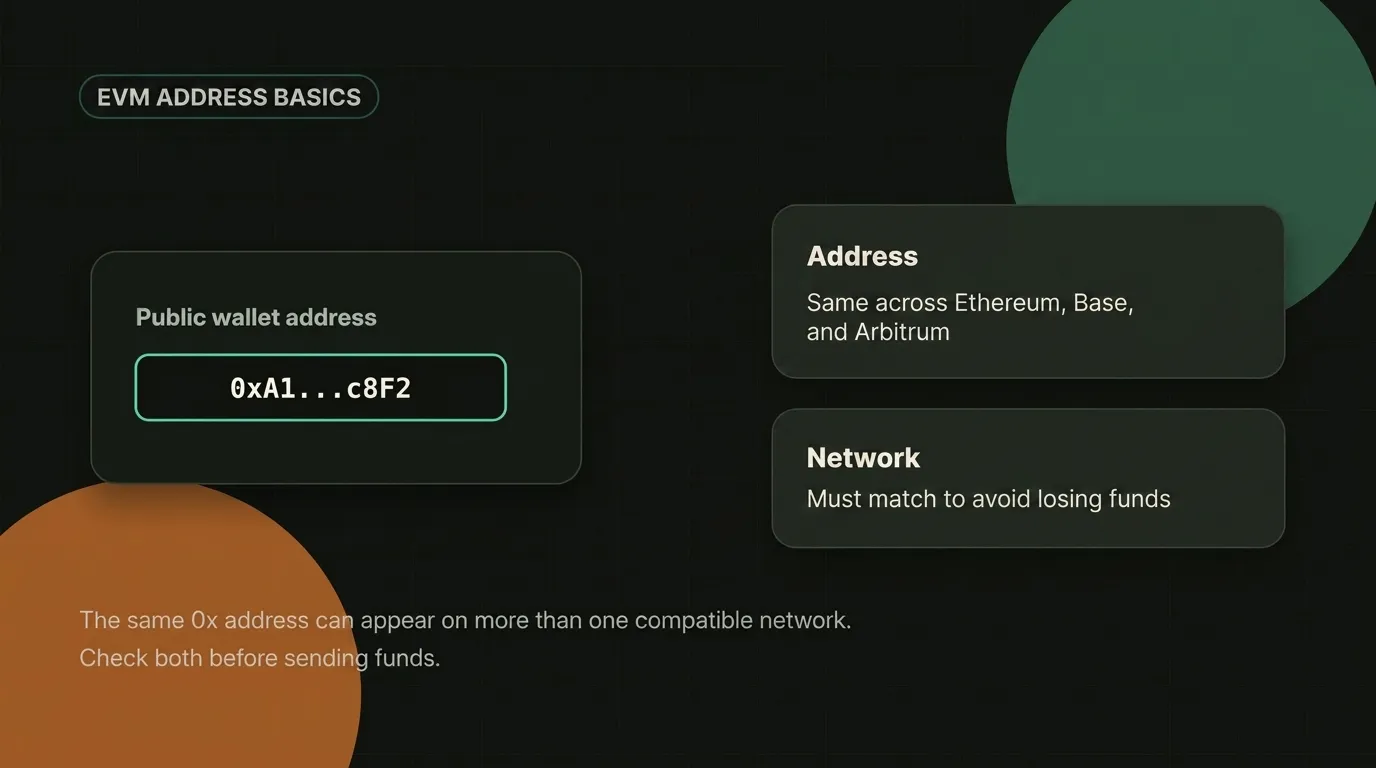
They work similarly to Ethereum and use the same wallet addresses, but they process transactions faster and with much lower fees.
Important reminder: Even though the addresses look the same, a token on Ethereum is not automatically on other networks. Always double-check which network your wallet is connected to before sending assets.
Tips for a safe learning journey
Because Ethereum gives you direct control over your digital actions, safety is all about moving slowly and checking the details:
- Read wallet prompts carefully: Treat your wallet approvals like signing a legal contract. Make sure you know what permission you are giving.
- Never share your recovery phrase: No legitimate Ethereum app or support agent will ever ask for your wallet’s master recovery phrase. If a site asks for it, leave immediately.
- Start with test amounts: If you decide to try a new app, practice with very small amounts first.
- Ask questions: If a transaction screen looks confusing or lists unexpectedly high fees, reject it and seek guidance.
In summary
Ethereum is a blockchain designed for running decentralized applications and smart contracts. It offers a world of flexible digital features, but it places the responsibility for safety in your hands.
The best way to learn is with calm curiosity. Understand the role of gas fees, double-check your networks, and only approve actions that make complete sense to you.