What is a Smart Contract?
An easy-to-understand guide to the automated digital agreements that power modern blockchain apps.
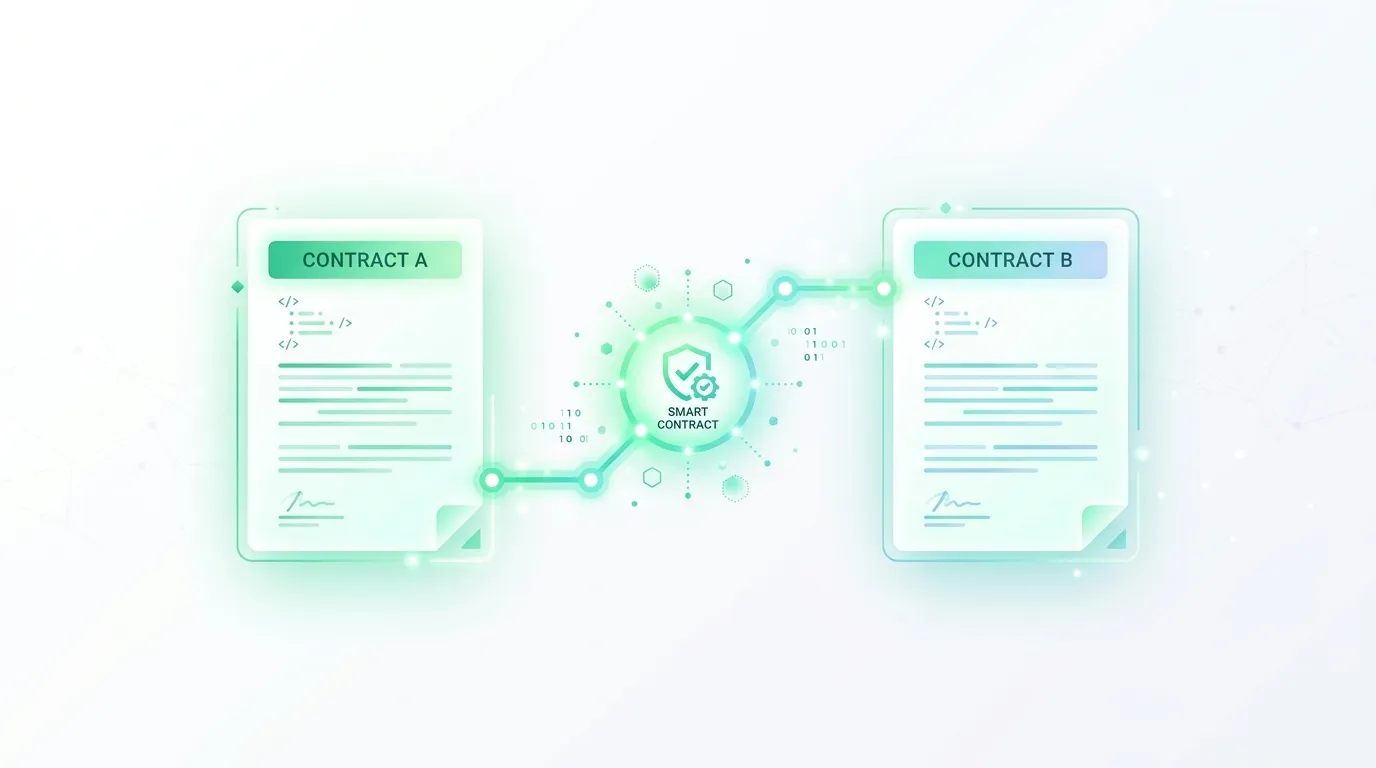
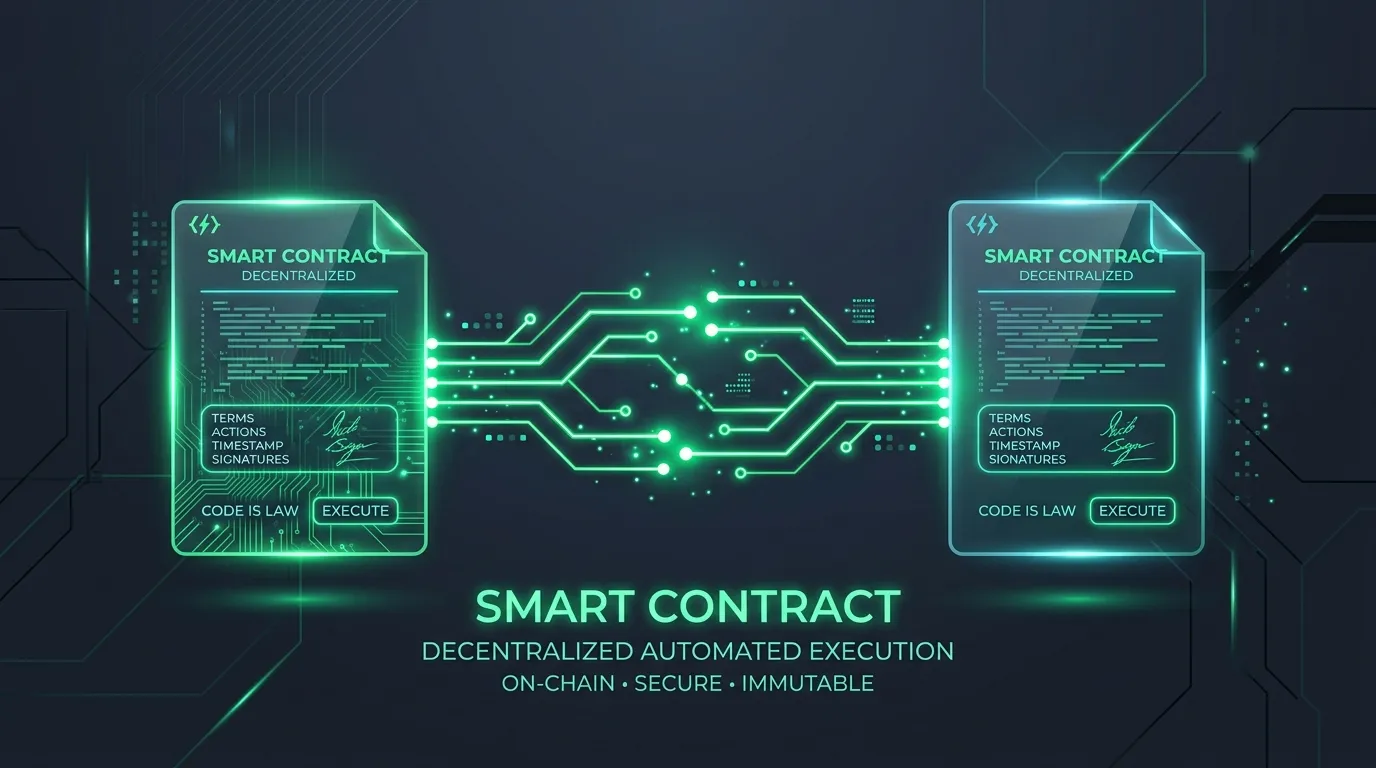
When you use a normal app on your phone, you are trusting a company to run their servers fairly. When you use a blockchain app, you are interacting with a program called a smart contract.
While the word “contract” sounds legal, a smart contract is simply code. It is an automated agreement that runs exactly as written. In this guide, we will break down what smart contracts are, how they work, and how to stay safe when using them.
The vending machine analogy
The simplest way to understand a smart contract is to think of a vending machine:
- You choose an item (this is the rule).
- You insert the money (this is the input).
- The machine releases the soda (this is the output).
There is no cashier or middleman standing there to verify the transaction. The rules are pre-programmed directly into the machine. If you insert enough money, you get the soda. If you do not, your money is returned.
A smart contract works exactly the same way, but it is written in software code and lives on a blockchain like Ethereum.
Why do we use them?
Traditional agreements rely on trust or third parties. If you hire someone to build a website, you might use an escrow service to hold the funds until the work is complete. That service charges a fee and takes time.
Smart contracts replace the middleman with code. They offer several unique benefits:
- Automation: Actions happen instantly once conditions are met.
- Immutability: Once a smart contract is uploaded to the blockchain, its code cannot be changed. No one can alter the rules later.
- Transparency: Anyone can inspect the rules of the contract before choosing to use it.
For example, our wallet swap page uses smart contracts behind the scenes to let you exchange coins directly. The contract holds the coins and swaps them only when the agreed exchange rate is met—no centralized company controls your funds during the swap.
Similarly, the Fund Manager uses smart contracts to automatically allocate deposits to lending venues, helping automate wealth management without a human manager holding your keys.
Centralized vs. Decentralized systems
Understanding smart contracts also helps clarify the difference between different types of financial services.
When you create an account on a centralized exchange like Binance, you are trusting a company to manage your deposits and record your trades on their private database. No smart contracts are involved in your daily trades there.
In contrast, when you use a decentralized platform, you are interacting directly with smart contracts on the public blockchain. For advanced traders, platforms like Hyperliquid use custom blockchain infrastructure to handle high-speed trading while keeping your funds under the control of on-chain vault rules.
How you interact with smart contracts
When you connect a crypto wallet to a blockchain service, you are preparing to talk to a smart contract.
Before any action happens, your wallet will pop up a window asking you to review and approve a transaction. This is the moment where you give the smart contract permission to interact with your assets.
Friendly warning: Once you approve a transaction, the smart contract executes it immediately. Because there is no customer support in decentralized networks, a transaction cannot be reversed. Always check the details in your wallet before signing.
For the curious: Inspecting the code
Because smart contracts are transparent, they are completely open to audit. For developers, testers, and advanced users, this means you can build and test calls to contracts directly.
If you want to see what this looks like under the hood, you can explore our EVM Contract Tool. It is a developer utility that lets you inspect a contract’s functions, build raw transaction payloads, and sign them with a wallet.
As a beginner, you do not need to use tools like this to navigate blockchain apps. Most users interact with smart contracts through simple, clean interfaces. But knowing that the underlying code is fully public and testable is a big part of why many people trust decentralized systems.
Safety rules for beginners
Because smart contracts execute code exactly as written, safety is entirely up to you. Keep these key habits in mind:
- Start with tiny amounts: When using a new service or contract for the first time, practice with a very small deposit to make sure it works as you expect.
- Understand what you are approving: Read your wallet’s confirmation screen. If a wallet prompt asks for access to “all your USDC” when you only want to swap $10, proceed with caution or adjust the permission limit.
- Use established services: Look for services that have been widely used and audited by professional security teams.
- Double-check the address: Always ensure you are on the official website before connecting your wallet or approving a transaction.
Summary
Smart contracts are the building blocks of decentralized applications. By automating transactions using public, unchangeable rules, they allow people to trade, save, and invest without relying on traditional intermediaries.
Take your time to understand how they work, read your wallet prompts carefully, and enjoy exploring modern finance at your own pace.