What is Hyperliquid?
A beginner-friendly guide to how Hyperliquid works, how it differs from traditional exchanges, and the risks of wallet-based trading.
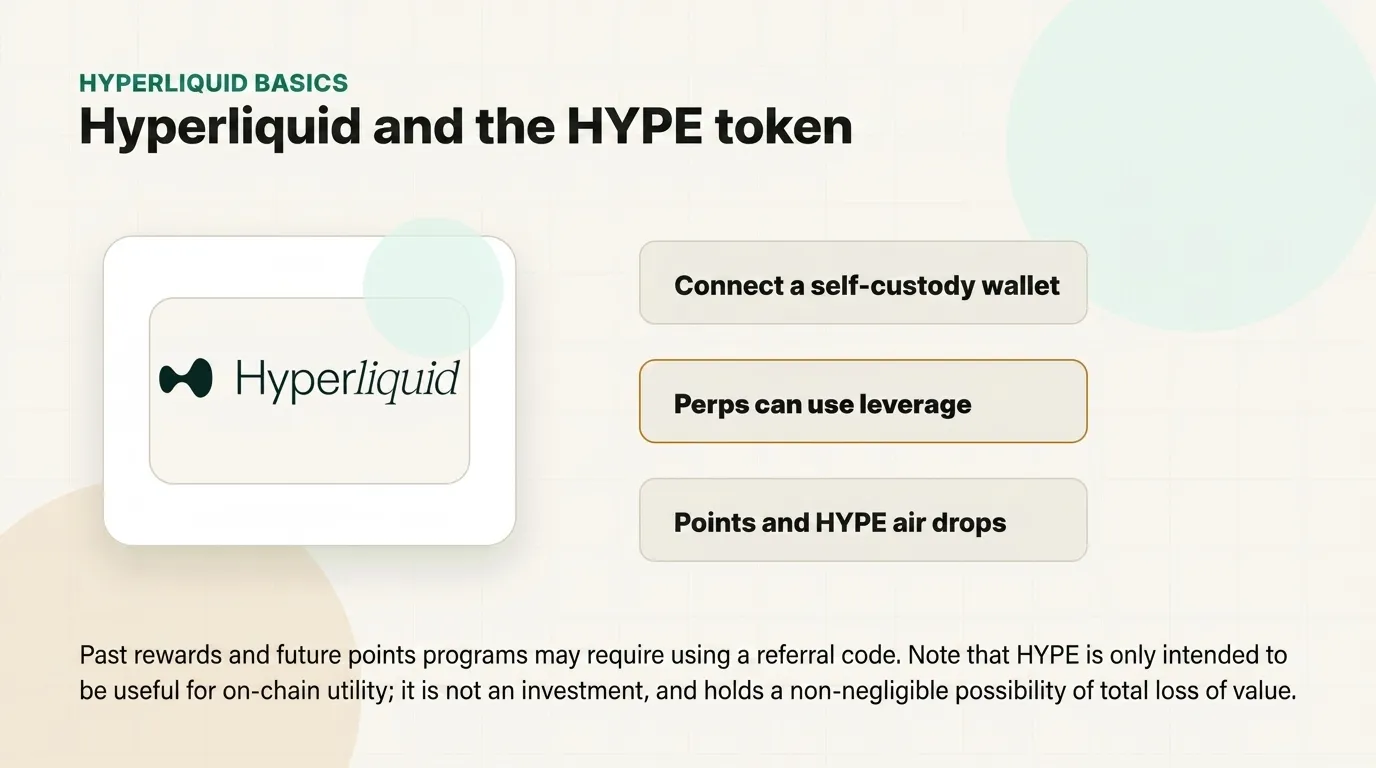
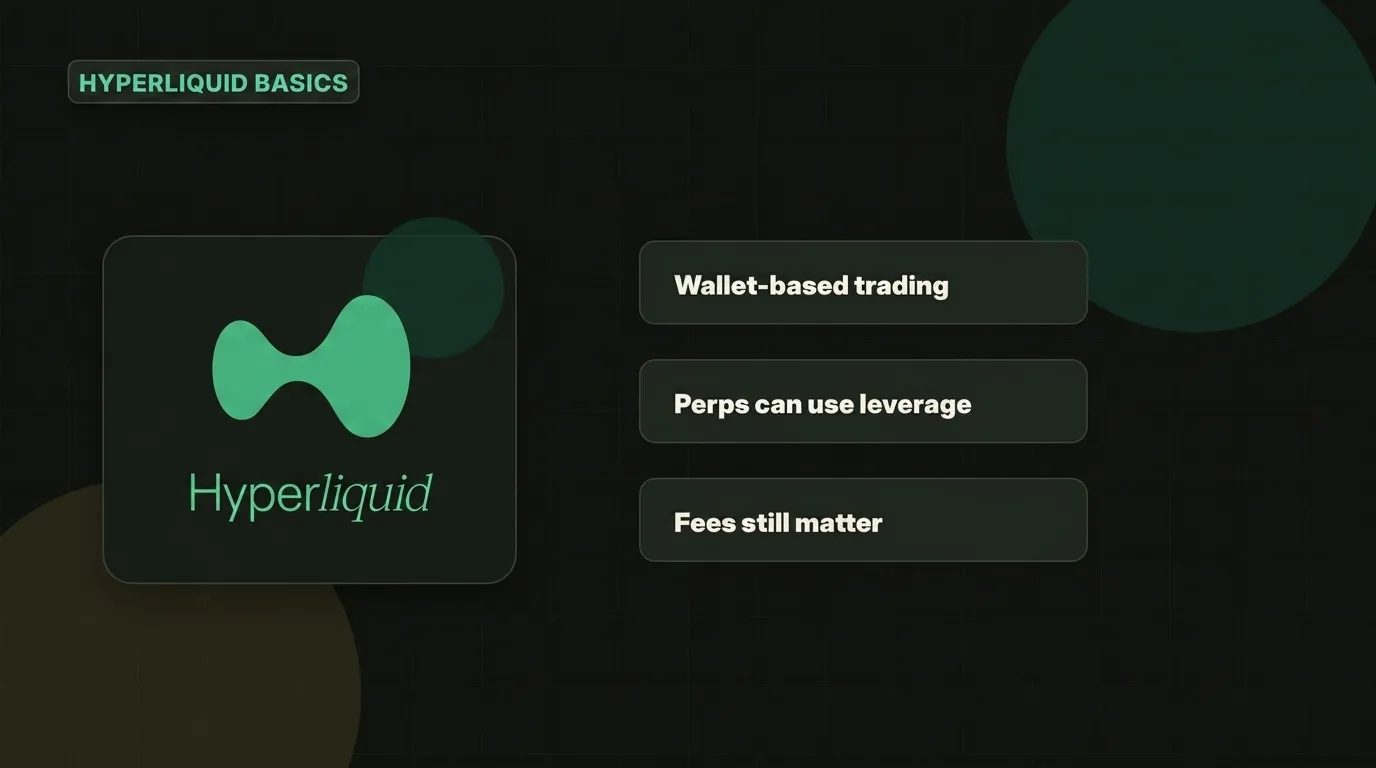
Hyperliquid is a crypto trading platform built directly on its own specialized blockchain network. Instead of creating a traditional account with a username and password (like you would on a standard centralized exchange), you connect a crypto wallet to trade.
It is designed for fast, active trading and is best known for perpetual contracts and decentralized order books.
How Hyperliquid works
Unlike account-based exchanges, Hyperliquid doesn’t hold an internal ledger for your login credentials. Instead:
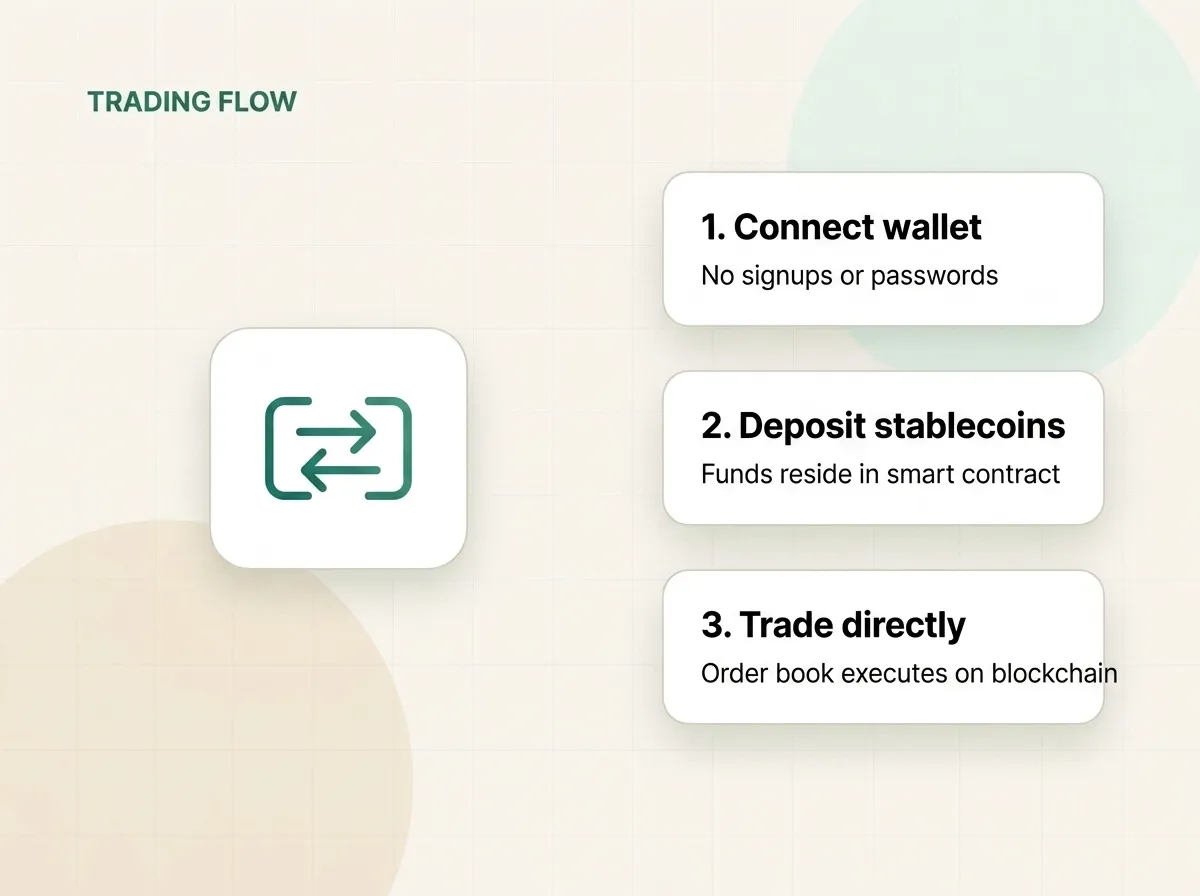
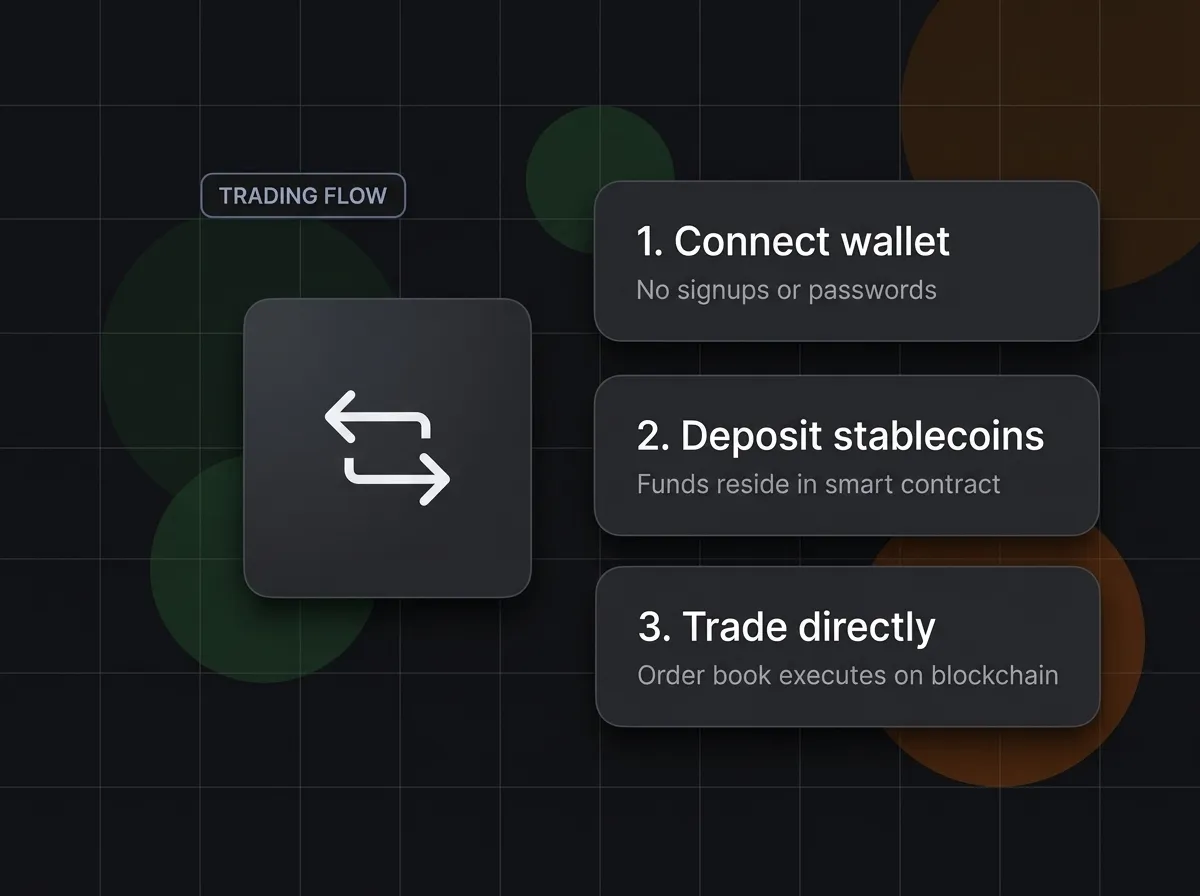
- You connect a compatible wallet to the platform.
- You deposit funds (typically stablecoins) into the platform’s smart contract.
- You trade using the app’s interface, which communicates directly with the underlying blockchain.
Because you are interacting directly with smart contracts, it is crucial to read every wallet prompt carefully before signing a message, depositing funds, or making a withdrawal.
Understanding Perpetual Contracts and Leverage
Most activity on Hyperliquid centers around perpetual futures (often called “perps”).
A perpetual contract is an agreement that lets you trade based on whether an asset’s price will go up or down, without actually owning the underlying coin. While perps are popular among active traders, they carry high risks:
- Leverage: Perpetual contracts allow you to trade with leverage, which means borrowing funds to control a position larger than your deposit. While this can multiply potential gains, it also multiplies potential losses.
- Liquidation: If the market moves against your position, your trade can be liquidated. This means the system automatically closes your position, and you lose the money you used to back the trade.
Wallet-Based Trading Flow
Because Hyperliquid is built on a specialized blockchain network, the flow of funds is entirely different from a traditional, account-based exchange. Instead of logging into a database, you sign messages directly from your crypto wallet to authorize deposits, withdrawals, and trades.
Trading Fees and Cost Management
Like other trading platforms, Hyperliquid charges small fees on trades to sustain the network.
If you decide to use the platform, you can optionally apply a referral code to reduce these costs. For example, registering with the referral code SX1 (using our Hyperliquid referral link) provides a 4% discount on eligible trading fees under their current rules.
Technical and Security Risks
Because Hyperliquid is fully decentralized and wallet-based, it comes with risks that traditional brokerages don’t have:
- No customer support: There is no centralized help desk to reset passwords or reverse mistaken transactions.
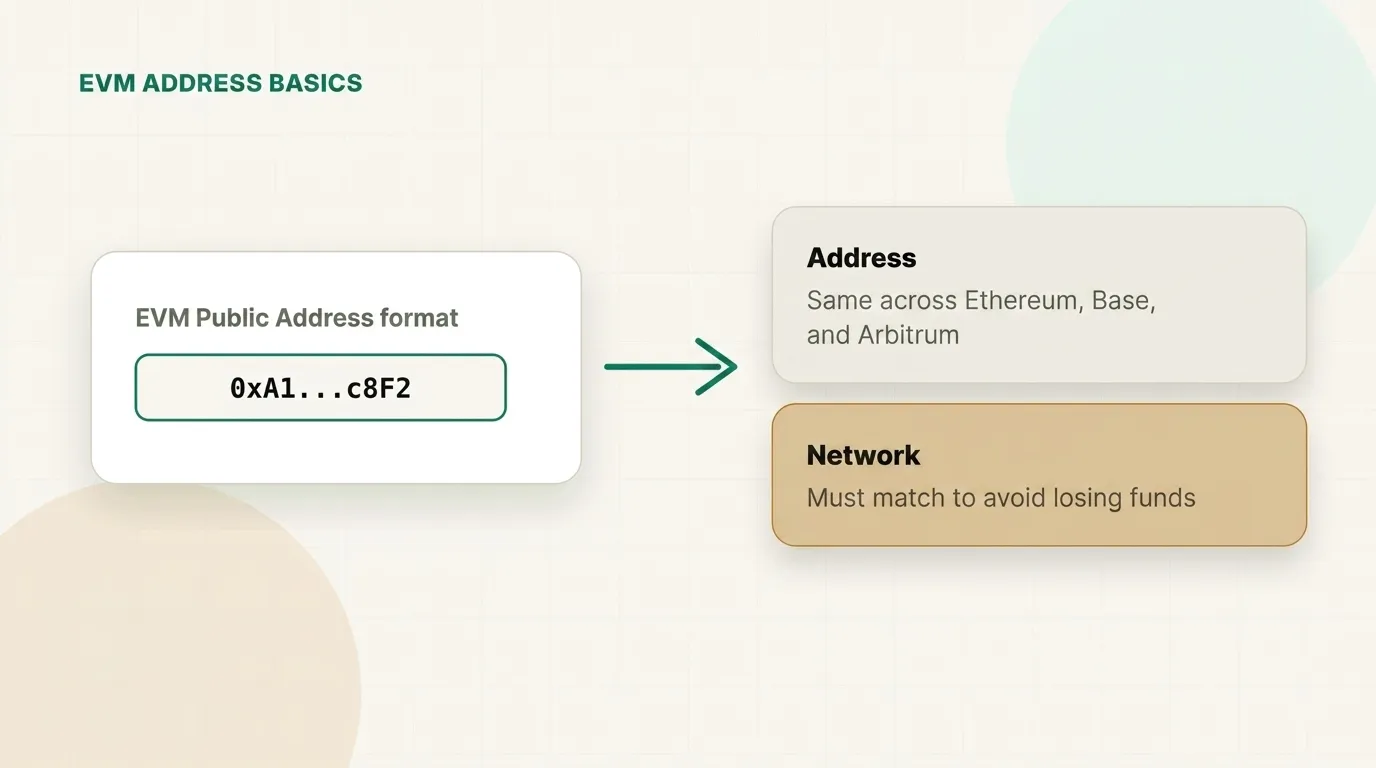
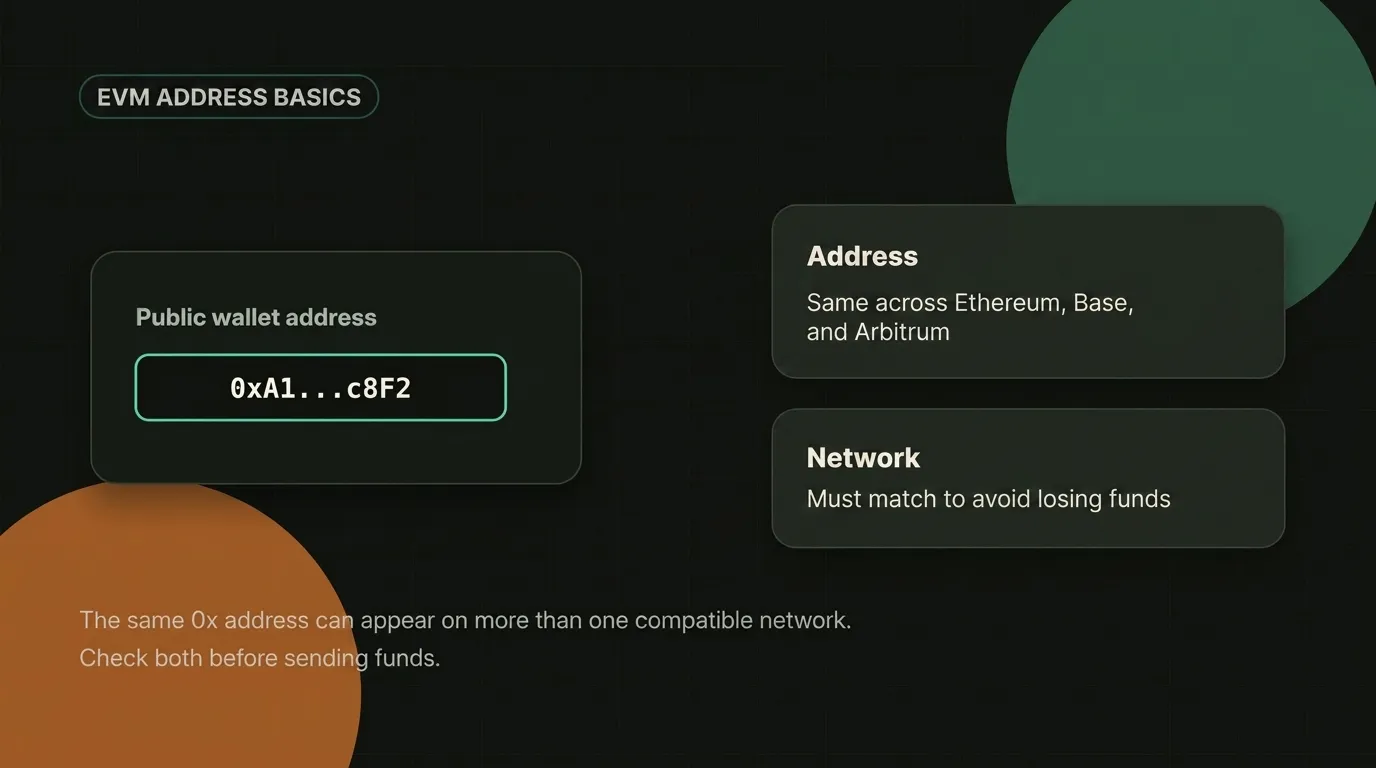
- Irreversible actions: If you send funds to the wrong address, use the wrong blockchain network, or approve a malicious smart contract, your funds could be permanently lost.
- Smart contract risk: The platform relies on code. While the code is audited, smart contracts can still have bugs or vulnerabilities.
How to explore safely
If you are new to decentralized trading, the safest step is to learn the terminology first. Avoid using leverage entirely until you fully understand how liquidations work, and start by depositing very small test amounts to get comfortable with the wallet and deposit interface.
In summary
Hyperliquid offers advanced features like perpetual contracts and on-chain order books, but it comes with significant smart contract and operational risks. Before trading, make sure you understand the wallet mechanics, start with small amounts, and manage your trading costs using a referral code like SX1.